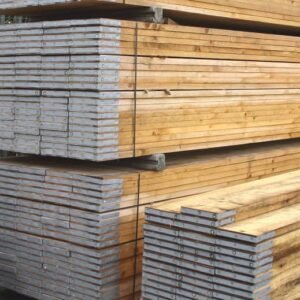
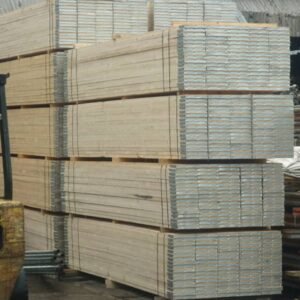
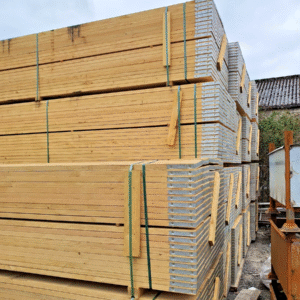
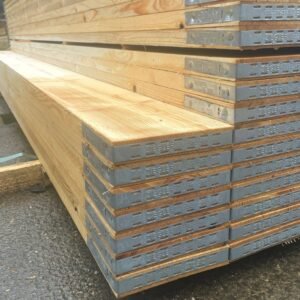
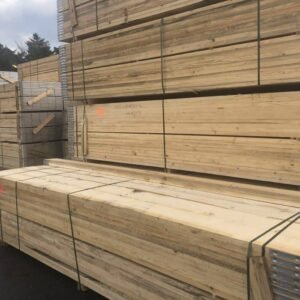
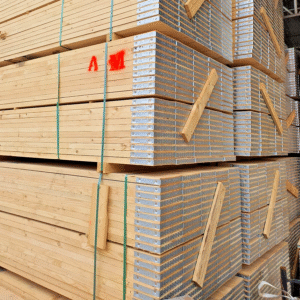
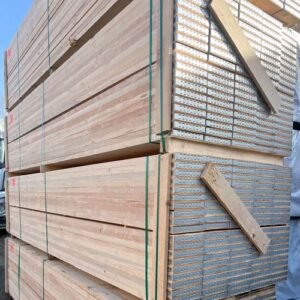
scaffold boards
Buy Scaffold Boards in the UK: The Ultimate Guide.
Scaffold boards are an essential component for construction projects, offering a stable platform for workers and equipment. In the UK, scaffold boards are widely used not just in construction but also for DIY projects, landscaping, and furniture making. Whether you’re a contractor, a homeowner, or a DIY enthusiast, understanding how to purchase the right scaffold boards can save you time, money, and ensure safety. This guide provides comprehensive insights into buying scaffold boards in the UK, covering everything from types and materials to suppliers and regulations.
What Are Scaffold Boards?
Scaffold boards are sturdy planks typically made of wood, metal, or composite materials. They are used to create walkways or platforms on scaffolding structures. Their primary purpose is to provide a safe and stable surface for workers at height.
Common Materials
- Wooden Scaffold Boards:
- Made from timber such as European whitewood or spruce.
- Lightweight and cost-effective.
- Require proper treatment to resist weather and wear.
- Metal Scaffold Boards:
- Made from aluminum or steel.
- Extremely durable and long-lasting.
- Heavier than wooden boards but more resistant to fire and moisture.
- Composite Scaffold Boards:
- Made from recycled plastics or fiberglass.
- Resistant to rot and corrosion.
- Ideal for harsh environments.
Why Buy Scaffold Boards?
Scaffold boards are versatile and can be used for:
- Construction Projects: Providing safe platforms for workers and tools.
- DIY and Landscaping: Building garden paths, raised beds, or rustic furniture.
- Interior Design: Creating shelves, tables, and decorative features.
Advantages of Owning Scaffold Boards
- Cost-Effective: Reusable across multiple projects.
- Customizable: Can be cut and treated to fit specific needs.
- Durable: Designed to withstand heavy loads and harsh conditions.
Key Factors to Consider When Buying Scaffold Boards
1. Size and Dimensions
Standard scaffold boards in the UK are 38mm thick, 225mm wide, and available in various lengths (1.8m, 2.4m, 3.0m, and 3.9m).
- Length: Choose based on the area and scaffolding structure.
- Thickness: Ensure adequate thickness to handle the intended load.
2. Material Quality
- Look for BS 2482-compliant boards for construction use.
- Inspect for defects such as splits, knots, or warping.
3. Load Capacity
- Verify the maximum load rating to ensure safety.
- Opt for boards rated for heavy-duty applications if needed.
4. Treatment and Certification
- Timber boards should be treated for anti-rot and fire resistance.
- Ensure boards have proper certification to comply with UK regulations.
Where to Buy Scaffold Boards in the UK
1. Local Suppliers
- Many builders’ merchants and timber yards stock scaffold boards.
- Advantages: Ability to inspect boards before purchase.
- Examples: Travis Perkins, Jewson, Selco Builders Warehouse.
2. Online Retailers
- Convenient for bulk orders and home delivery.
- Check for reviews and return policies.
- Examples: eBay, Amazon, and specialized scaffolding suppliers like Actavo and Scaffold Direct.
3. Reclaimed and Second-Hand Options
- Sustainable and cost-effective.
- Available at reclamation yards or online marketplaces.
- Inspect for wear and damage before buying.
Regulations and Safety Standards
UK Standards for Scaffold Boards
- BS 2482 Compliance:
- Wooden scaffold boards must meet BS 2482 standards.
- Ensures boards are durable, safe, and fit for construction use.
- Weight Rating:
- Boards must handle specified loads without bending or breaking.
Inspection and Maintenance
- Regularly inspect boards for damage, cracks, or excessive wear.
- Replace any boards that show signs of structural weakness.
Cost of Scaffold Boards in the UK
Price Range
- New Wooden Boards: £10-£20 per board depending on size and treatment.
- Metal Boards: £40-£60 per board.
- Composite Boards: £30-£50 per board.
- Second-Hand Boards: £5-£10 per board (condition-dependent).
Factors Influencing Cost
- Material type and quality.
- Treatment and certifications.
- Supplier and location.
Benefits of Using Scaffold Boards in DIY Projects
- Garden Design:
- Raised beds and pathways.
- Outdoor seating and tables.
- Home Improvements:
- Shelves, flooring, or rustic furniture.
- Creative Projects:
- Wall paneling or decorative installations.
Tips for DIY Enthusiasts
- Sand and treat boards to prevent splinters.
- Use weather-resistant coatings for outdoor projects.
Tips for Choosing the Right Supplier
- Reputation:
- Check customer reviews and testimonials.
- Product Range:
- Ensure the supplier offers a variety of sizes and materials.
- Delivery Options:
- Look for suppliers offering fast and reliable delivery.
- Price Comparison:
- Compare prices across multiple suppliers to get the best deal.
Frequently Asked Questions (FAQs)
1. What is the lifespan of a scaffold board?
- Wooden boards last 5-10 years with proper maintenance.
- Metal and composite boards can last 20+ years.
2. Can I use scaffold boards for furniture making?
- Yes, they are ideal for creating rustic and durable furniture.
3. Are second-hand scaffold boards safe?
- Inspect for cracks, rot, or excessive wear before use.
- Avoid heavily damaged boards for structural applications.
4. Do scaffold boards require treatment?
- Wooden boards should be treated for rot and fire resistance.
- Metal boards may require anti-corrosion treatment.
5. Can I cut scaffold boards to size?
- Yes, they can be cut to fit specific dimensions. Use proper tools and safety precautions.
Showing all 7 results